
modern led mirror
Công Cụ Cấp Đo Spirit Level và Thanh Cân Trong thế giới xây dựng và chế tạo, việc đảm bảo sự chính xác trong mọi công đoạn là vô cùng quan trọng. Một trong những công cụ hữu ích nhất giúp người thợ xây nhà và thợ mộc đạt được điều này là công cụ cấp đo, hay còn được gọi là spirit level. Bài viết này sẽ giới thiệu về công cụ cấp đo spirit level và thanh cân, cũng như cách sử dụng chúng hiệu quả. 1. Khái Niệm về Spirit Level và Thanh Cân Spirit level là một công cụ đơn giản nhưng vô cùng hiệu quả để kiểm tra độ phẳng hoặc thẳng của các bề mặt. Công cụ này thường được làm bằng nhựa hoặc kim loại, có hình dạng giống như một thanh dài với một hoặc nhiều ống nhựa chứa đầy chất lỏng và một bóng khí nhỏ bên trong. Khi thanh được đặt trên một bề mặt, bóng khí sẽ di chuyển đến vị trí cao nhất trong ống, cho phép người sử dụng xác định xem bề mặt đó có hoàn toàn phẳng hay chưa. Thanh cân (hay còn gọi là thước cấp) là một biến thể của spirit level, thường có kích thước lớn hơn và được sử dụng trong các ứng dụng cần sự chính xác cao hơn, như xây dựng tường, lắp đặt cửa sổ, hoặc đặt các đồ vật lớn. Nó cũng có thể có thêm các tính năng như dải thước đo, giúp người thợ dễ dàng xác định khoảng cách cần thiết. 2. Cấu Tạo và Chức Năng Cấu tạo của spirit level thường bao gồm một thân thanh, các ống chứa chất lỏng (thường là nước hoặc cồn) và một bóng khí. Các dòng spirit level cao cấp có thể tích hợp thêm đèn LED hoặc các mốc điều chỉnh để dễ dàng kiểm tra hơn. Chức năng chính của nó là xác định độ thẳng, độ phẳng và trong một số trường hợp, độ nghiêng của bề mặt. spirit level ruler 3 . Cách Sử Dụng Spirit Level Để sử dụng spirit level hiệu quả, bạn cần thực hiện theo các bước sau 1. Chuẩn Bị Bề Mặt Đảm bảo bề mặt cần kiểm tra được làm sạch và không có vật cản. 2. Đặt Spirit Level Đặt công cụ lên bề mặt mà bạn muốn kiểm tra. Đảm bảo rằng cả hai đầu của thanh đều tiếp xúc với bề mặt. 3. Kiểm Tra Bóng Khí Nhìn vào bóng khí trong ống chứa chất lỏng. Nếu bóng nằm chính giữa đường chỉ trên ống, bề mặt đó là hoàn toàn phẳng. Nếu bóng lệch về một bên, bề mặt cần được điều chỉnh. 4. Lặp Lại Đối với các bề mặt có nhiều điểm khác nhau, hãy kiểm tra nhiều vị trí để đảm bảo tính chính xác tổng thể. 4. Lợi Ích của Spirit Level Sử dụng spirit level mang lại nhiều lợi ích trong công việc xây dựng và lắp đặt. Đầu tiên, nó giúp nâng cao độ chính xác, giảm thiểu sai sót trong khi làm việc. Thứ hai, việc sử dụng tool này cũng giúp tiết kiệm thời gian, bởi người thợ không phải thực hiện lại các công đoạn do độ không chính xác. Cuối cùng, nó giúp tạo ra các sản phẩm có chất lượng cao hơn, từ đó nâng cao uy tín của người làm. 5. Kết Luận Spirit level là một công cụ không thể thiếu trong quá trình xây dựng và lắp đặt. Nhờ vào sự đơn giản trong thiết kế và cách sử dụng, nó đã trở thành một trong những thiết bị được ưa chuộng nhất của các thợ lành nghề. Nếu bạn đang tham gia vào bất kỳ dự án xây dựng nào, hãy chắc chắn rằng bạn có một spirit level trong tay để đảm bảo mọi thứ đều chính xác và hoàn hảo.
about
modern led mirror
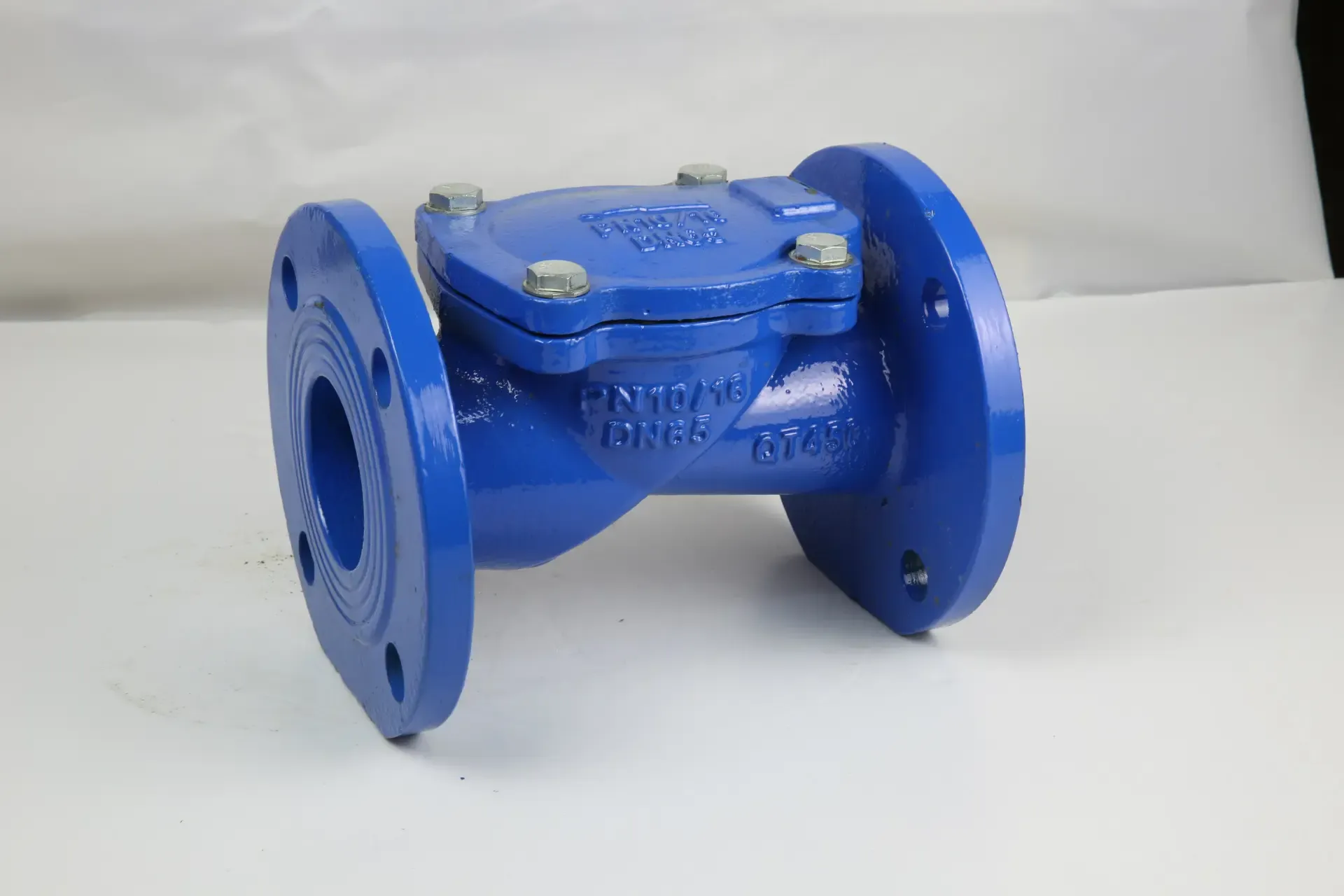
Understanding Tilting Check Valves Operation, Applications, and Benefits Tilting check valves are essential components in various fluid systems, playing a critical role in ensuring the proper flow direction while preventing backflow. These valves, engineered for both efficiency and reliability, are commonly used in industries such as water treatment, chemical processing, and oil and gas. This article delves into the operation, applications, and benefits of tilting check valves, highlighting their importance in modern engineering solutions. Operation of Tilting Check Valves Tilting check valves operate based on a simple yet effective mechanism that allows fluid to flow in one direction while preventing reverse flow. The main component of the valve is a tilting disc that pivots on a hinge. When fluid flows in the intended direction, the pressure pushes the disc off its seat, allowing passage. However, if the flow direction reverses, the disc tilts back to its original position, sealing the valve and blocking backflow. This tilting action is advantageous over conventional swing check valves, as it reduces the amount of space needed for operation and minimizes the risk of valve chatter—a condition where the valve rapidly opens and closes due to fluctuations in pressure. Tilting check valves are designed to respond more effectively to changes in fluid dynamics, making them a reliable choice for dynamic systems. Applications of Tilting Check Valves Tilting check valves are used in a variety of applications across multiple industries. Their ability to effectively manage flow direction and prevent backflow makes them ideal for 1. Water and Wastewater Treatment In water treatment facilities, these valves help control water flow through various stages of purification and prevent contamination by stopping backflow in the system. They are crucial in ensuring that treated water remains free from pollutants. 2. Chemical Processing In chemical plants, tilting check valves manage the flow of corrosive and hazardous fluids, ensuring that backflow does not occur, which could lead to contamination or unsafe conditions. Their durable construction allows them to handle high-pressure and high-temperature applications. 3. Oil and Gas The oil and gas sector relies on tilting check valves to manage the flow of crude oil and natural gas through pipelines and refineries . They provide a necessary safeguard against reverse flow, protecting equipment and processes from potential damage. tilting check valve 4. HVAC Systems In heating, ventilation, and air conditioning (HVAC) applications, these valves help control airflow and ensure that hot or cold air flows in the intended direction, enhancing system efficiency. Benefits of Tilting Check Valves The use of tilting check valves offers numerous benefits - Prevention of Backflow The primary function of tilting check valves is to prevent backflow, safeguarding systems against potential damage and ensuring operational safety. - Reduced Pressure Drop These valves typically exhibit lower pressure drop characteristics compared to traditional check valves, which translates to improved system efficiency and reduced energy consumption. - Versatile Design Tilting check valves come in various designs and materials, allowing for customization to specific applications, whether in corrosive environments or systems with varying pressure requirements. - Ease of Maintenance The simple design of tilting check valves facilitates easy installation and maintenance. Many models do not require regular maintenance, which can help reduce operational costs over time. - Increased Reliability The robust construction of tilting check valves ensures they can withstand the rigors of industrial environments, leading to a longer lifespan and decreased likelihood of failure. Conclusion Tilting check valves play a vital role in maintaining the integrity and efficiency of fluid systems across various industries. Their ability to prevent backflow, combined with their efficient operation and versatility, makes them an invaluable component in modern engineering. As industries continue to evolve, the demand for reliable and efficient flow management solutions, like tilting check valves, will remain a critical consideration in system design and operation.
-

High quality industrial productsagement

High quality industrial products
View Details -

Meet the diverse needs of customers

Meet the diverse needs of customers
View Details -

Strict quality control

Strict quality control
View Details -

Top raw materials

Top raw materials
View Details -

Trusted supplier

Trusted supplier
View Details
Our application


news and information

Welding Fabrication Techniques and Best Practices for Efficient Projects
Understanding the Importance of Welding Fabrication Tables in the Industry Welding fabrication table
Water Flow Control Valve for Efficient Shut-off Solutions
Understanding Water Shut-off Valves A Guide Water shut-off valves are an essential component in plum
What Are the Three Types of Control Valves_
Control valves play a crucial role in various industrial processes, regulating the flow of fluids to
 English